
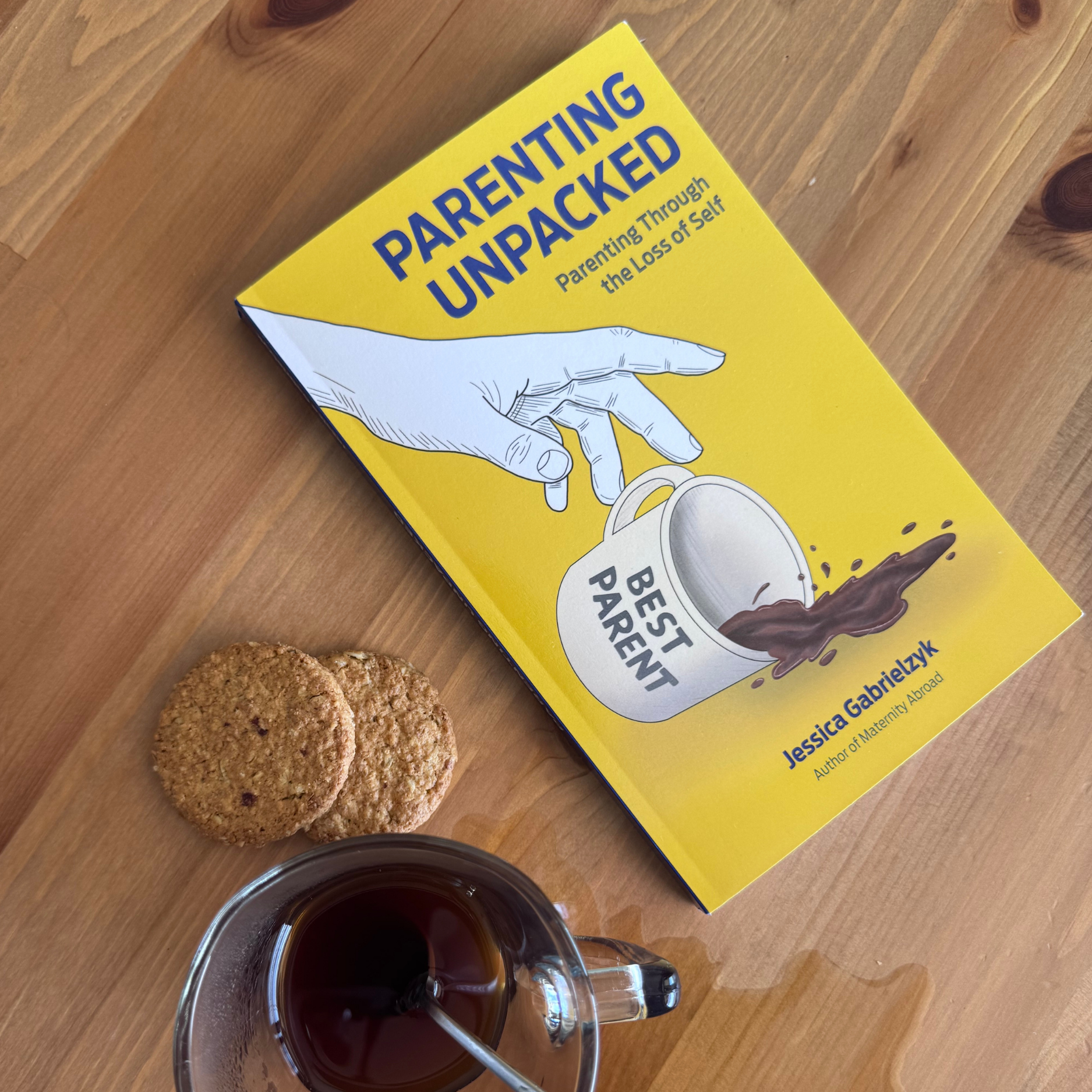
Parenting Unpacked: Parenting Through The Loss of Self
“Parenting Unpacked gives voice to the silent transformations that accompany parenthood, adaptation and the sense of belonging in times of change.” — Dr. Débora Pasin, Linguist and PhD Researcher
Available on Amazon. Secure checkout. Ships globally.
🏆 Number one best seller on Amazon Brasil — Importados de Emigração e Imigração
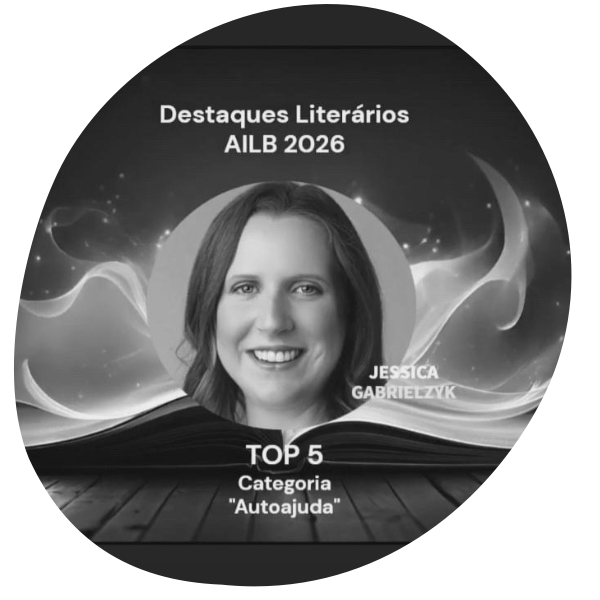
🏆 Prêmio Destaque Literário 2026 — Nominated by the Academia Internacional de Literatura Brasileira in two categories: Contos e Crônicas and Autoajuda
This book is for the parent raising children abroad who functions perfectly on the outside but feels completely lost on the inside.
You are still functioning. The school runs happen and the appointments get made. From the outside nothing looks wrong, but from the inside something has been quietly off for longer than you want to admit, and you do not have a word for it yet.
This book has the word, and several more besides.
The version of you that knew how to do this was built somewhere else, in a system that gave you feedback you could read, in a language you did not have to translate, around people who already knew who you were. Here the signals do not come back the same way, and the gap between what you are doing and what it feels like to do it is the thing nobody warned you about.
That gap has a name. The loss of felt competence, not the loss of ability but the loss of the feeling of it. And underneath it, the inherited scorecard, still running, still measuring you against a version of yourself that made sense somewhere else.
Parenting Unpacked was written for the parent who is still inside this, not to fix it or give you a five step plan, but to name what is happening clearly enough that you can stop second-guessing every move and start understanding what actually changed.
Real stories from families raising children across countries, systems, and expectations. Specialist voices that sit alongside those stories without overriding them. A structure most families move through without naming: Leave, Adapt, Anchor, Thrive. And the specific, honest account of what it costs to hold everything together when the context that used to make you competent has changed.
This book is for the parent who notices the gap. Not everyone does. Most keep moving and call it fine.
If you are reading this, you noticed.
"While much has been written about the impact of global mobility on children, Jessica invites us into a deeper look at what this experience is like for the adults who raise them. Many who have lived this life will find themselves swept into her story, recognizing it as their own. I know I did! We are not alone. We simply didn’t have words for it before." - Ruth E. Van Reken, Co-author, Third Culture Kids: Growing Up Among Worlds Co-founder, Families in Global Transition
"Jessica Gabrielzyk writes with sensitivity, emotional intelligence and a great deal, truly a great deal, of authenticity. Parenting Unpacked gives voice to the silent transformations that accompany parenthood, adaptation and the sense of belonging in times of change. A welcoming, reflective and deeply relevant book for families living through personal, cultural or geographical transitions." — Dr. Débora Pasin, Linguist and PhD Researcher
“Whether you are preparing for a big change or already deep in the thick of it, Parenting Unpacked meets you exactly where you are. Jessica Gabrielzyk writes with courageous honesty about the self-judgment and identity loss that shape how we mother, and how our children carry what we haven’t yet unpacked ourselves. This is the companion every mom needs to move from surviving to truly belonging, because a family thrives when Mom feels at home in herself first.” - Rima Elahi-Syed, Pediatric Physical Therapist, Certified Parent Coach and Founder of Precious Parenting
“The detail of the detail of the detail that she brings. These are questions that keep appearing. As an intercultural professional, this is a book that brings more development, more enrichment to my intercultural listening, to my culturally sensitive listening.” — Ana Lúcia Cunha, Intercultural Psychotherapist
“Brazil loves you! I couldn't be happier with this one. Your writing is brilliant. ❤️” — Reader Luisa Cordeiro, via Instagram
“[…] this is a very well-done book. Direct and engaging, with an enthusiastic narratorial voice that seems natural and not contrived.” — Danny Decilis in The U.S.
“Book 1 (Maternity Abroad) was already very informative and we believe that book 2 follows a natural timeline by showing some of the challenges that parents might face when parenting abroad. There’s no doubt that parenting is one of the most difficult—and at the same time most rewarding—jobs one can have and adding the extra challenge of living abroad might feel lonely or even scarier sometimes, and that’s why books like yours are so important. They provide a sense of community and partnership among readers, and we’re sure it will make the lives of many parents easier.” — Ana & Josie in the U.S
“It also made me want to go back to certain section and take in the information anew. I finished my read feeling not just hopeful and energized, but more prepared, if that makes sense?”— Bree in the U.S.
“The concept of the book is great. I think parents who are planning on migrating or who have, might find it very useful and relatable.” — Janelle B. in The U.S.“Such a relevant book for those parenting in a different country/culture. I couldn’t put it down once I started because I felt so heard. So many times I thought “oh so it wasn’t just me”. Definitely recommend for anyone parenting as an expat and it doesn’t even matter if you’ve been doing it for years you will still connect with it so much!“ — Julianna Williams via Goodreads
If this book gave you language for something you were carrying without words for it, that is worth saying somewhere. A review on Amazon or Goodreads takes three minutes and helps the next parent in your position find it before they need it. You do not need to write much. Just say what it gave you. That is enough.The Best Parent Coffee Club
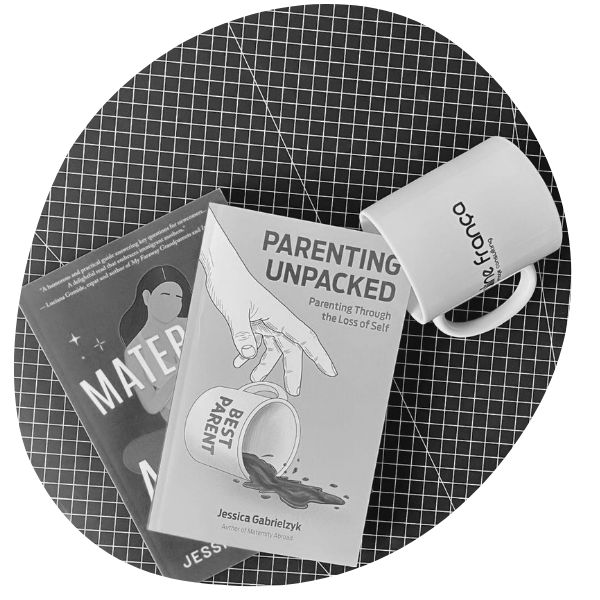
Every parent has one. The mug that has been set down, reheated, and finished cold.
Show us yours. Tell your story and tag us @parenting.unpacked.book and welcome to The Best Parent Coffee Club.









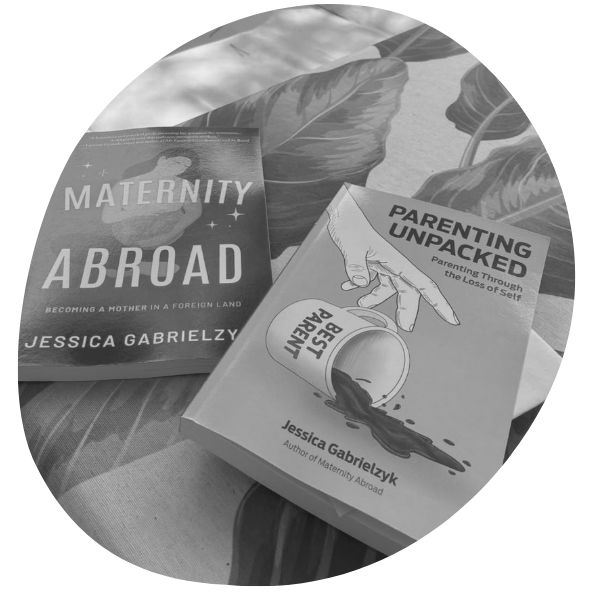
All the latest about the book
Frequently Asked Questions
-
Parenting Unpacked is for parents raising children across countries or cultures. That includes immigrant, expat, binational, and internationally mobile families.
It’s also for parents who feel like something has shifted in how they show up, even if they can’t fully explain why. If you’ve ever felt less certain, slower, or slightly off after a big life change, this book will likely feel familiar.
-
Most parenting books focus on what to do.
Parenting Unpacked focuses on what it feels like when what used to work no longer does.
It doesn’t give checklists or tell you the “right way” to parent. Instead, it helps you understand what’s happening underneath the surface when you’re navigating a new country, a new system, or a new version of yourself.
It’s built from real stories, not idealized advice.
-
No. While some stories begin in early parenthood, the book covers a much wider range of experiences. It includes families with toddlers, school-aged children, and teenagers.
The focus is not the age of your child. It’s what happens when parenting takes place in a context that no longer feels familiar
-
Yes. Many parents don’t recognize what they went through until later. Some are still living parts of it without having language for it.
Even if you feel settled, certain moments can bring that experience back, school, healthcare, identity, or how your child is seen in the world.
This book helps you make sense of those moments, not just the early transition.
-
That’s its core purpose. Most parents don’t talk openly about this experience because it’s hard to name. When you read other families describing similar moments, it becomes easier to recognize your own.
It won’t remove the difficulty, but it can make it feel clearer and more shared.
-
Not necessarily. The language is clear and direct, without complex or technical vocabulary.
If you are comfortable reading everyday English, you will be able to follow the book.
Technical Info
Title: Parenting Unpacked: Parenting Through The Loss of Self
Author: Jessica Gabrielzyk
Publisher: Keep It Simple Publishing
Page Count: 192 pages
Interior: Black & white on 70 lb white paper
Cover Finish: Gloss laminate
Language: English
Target Audience: Parents navigating major life transitions that reshape identity, expectations, and how they show up for their children
ISBN-10 : 2970184850
ISBN-13: 978-2970184850
Availability: Amazon and other international retailers
Also by Jessica Gabrielzyk
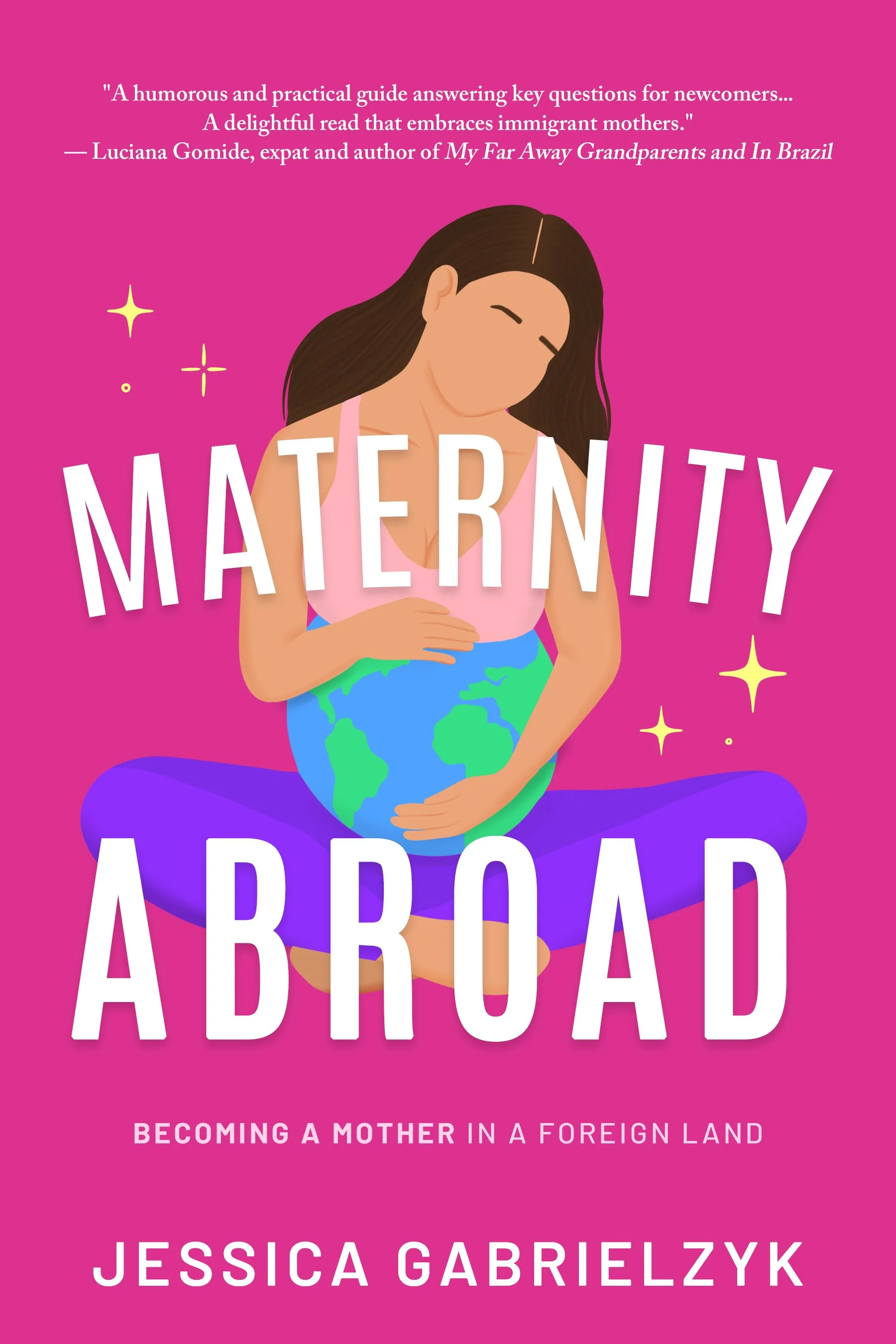
Maternity Abroad
This book is for the mother giving birth in a healthcare system that doesn’t know her name, her norms, or her home.
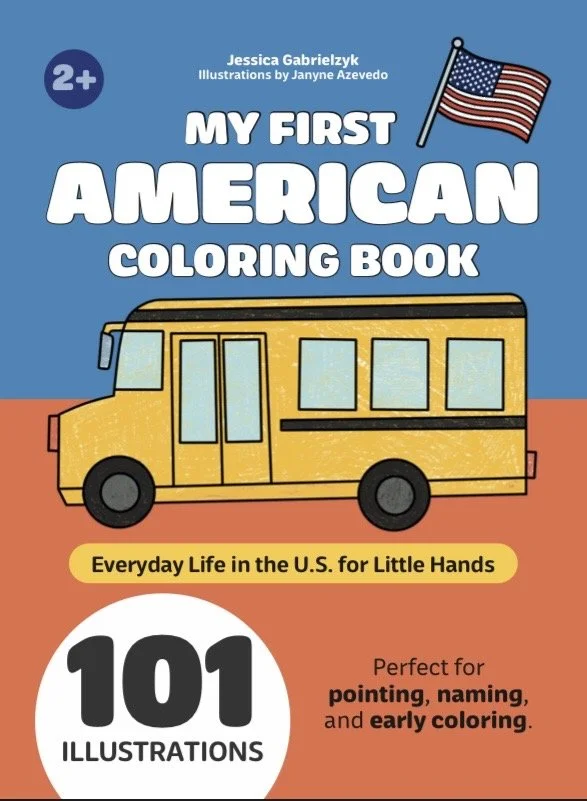
My First American Coloring Book
This book gives your child the school bus, the lunchbox, the s’more, and the American flag before the world expects them to already know what those are.
My husband said something the other day and I realised I have been doing exactly that in Switzerland.