

When the world changes you.
Identity, migration, belonging, and the person you become when the life you built no longer fits the person you are.

“Jessica Gabrielzyk writes with sensitivity, emotional intelligence and a great deal, truly a great deal, of authenticity.” — Dr. Débora Pasin, Linguist and PhD Researcher
Customer Rating on Goodreads: ★★★★★
Amazon Brasil #1 Bestseller in Emigration, July 2026
❋
Books read in 17+ countries
❋
SIETAR member
❋
Amazon Brasil #1 Bestseller in Emigration, July 2026 ❋ Books read in 17+ countries ❋ SIETAR member ❋
The Identity Migration Library
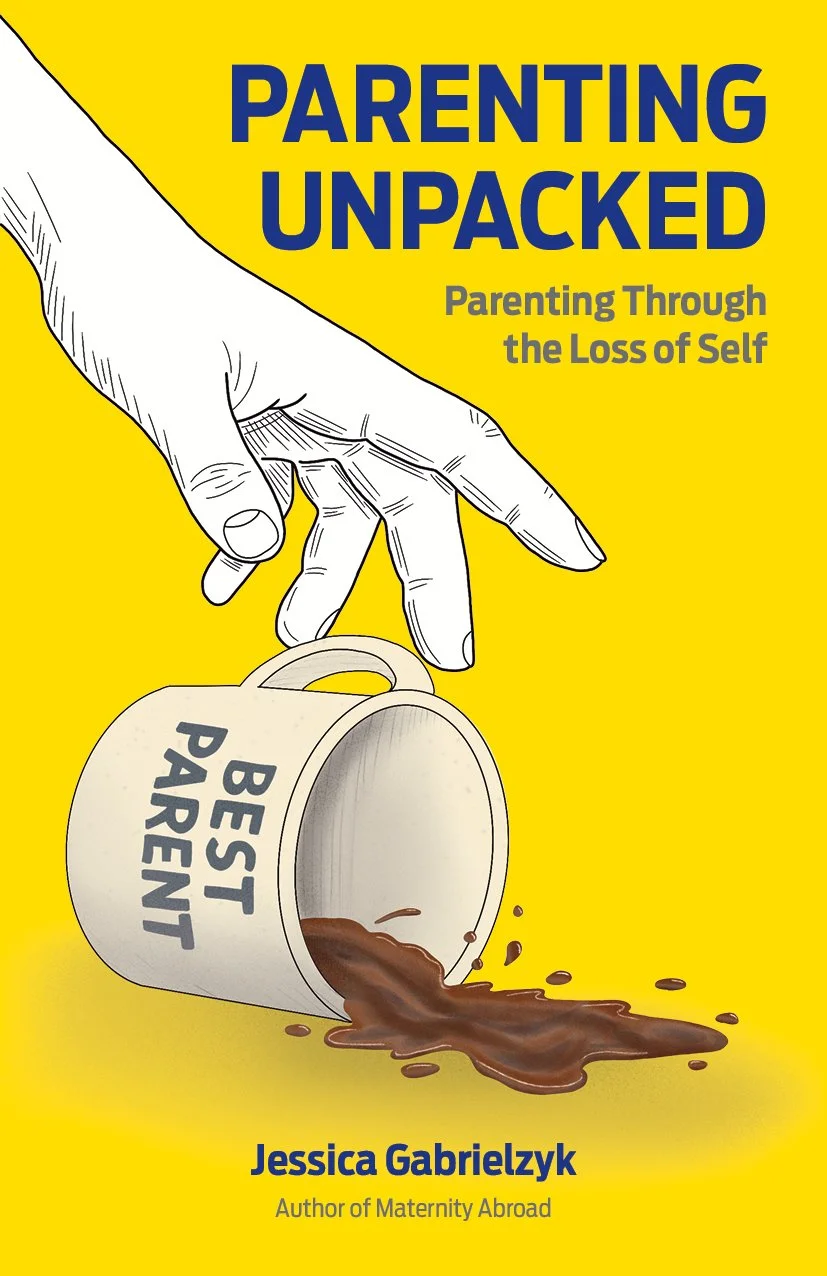
Parenting Unpacked
This book is for the parent raising children abroad who functions perfectly on the outside, but feels completely lost on the inside.
“This is the companion every mom needs to move from surviving to truly belonging” - Rima Elahi-Syed, Certified Parent Coach on Amazon
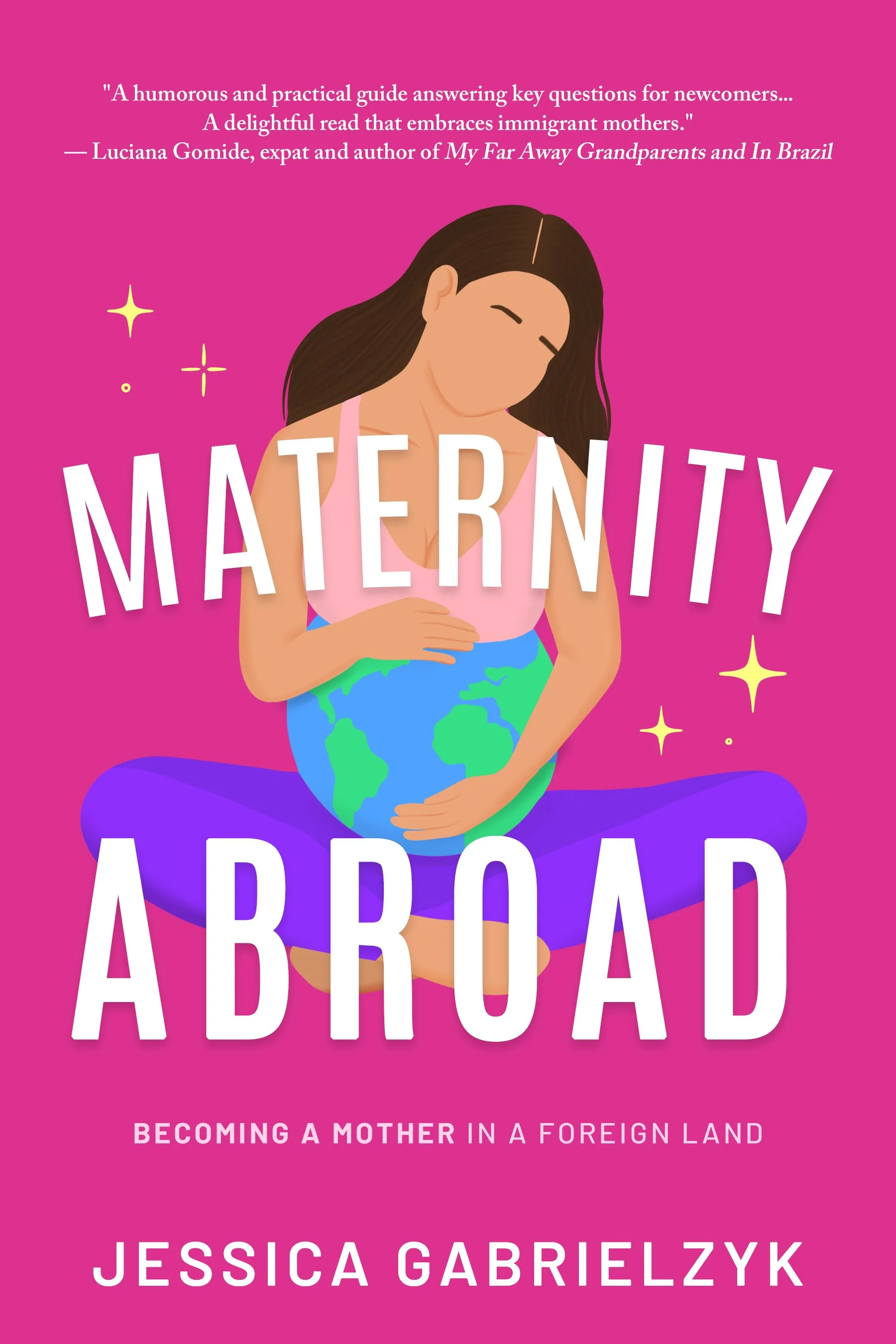
Maternity Abroad
This book is a the mother giving birth in a healthcare system that doesn’t know her name, her norms, or her home.
“Maternity Abroad is an incredible resource, not just for information and practical support, but most importantly, for comfort.” - Reader on Goodreads
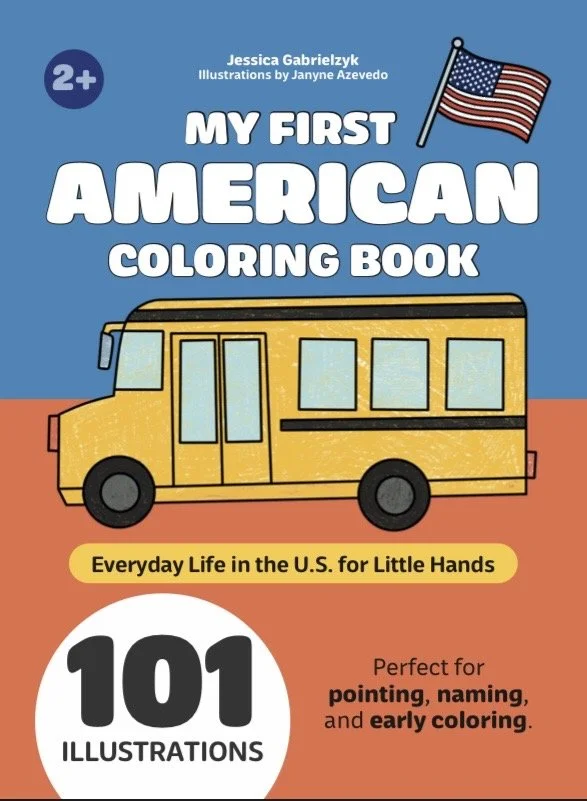
My First American Coloring Book
This book gives your child the school bus, the lunchbox, the s’more, and the American flag before the world expects them to already know what those are.
“Absolutely charming and creative" — Adriana Benfica, Children’s Book Author
I believe the biggest changes in a life happen inside, and the people living them deserve words for what is happening.



Follow the stories



I have 3 hopes.